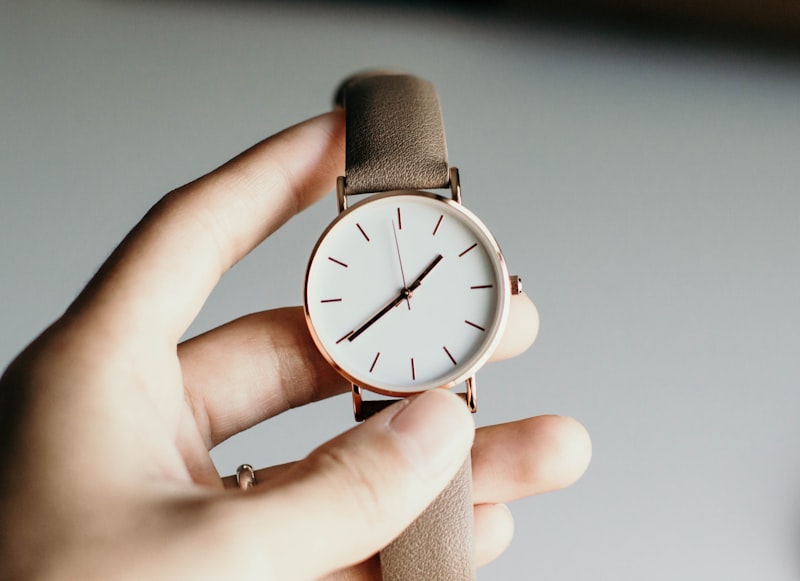
The collection I own today shares little with what I assembled in my first decade of buying. Not just different watches — different principles governing what I acquire, keep, and sell.
The Accumulation Phase
Early on, I bought broadly. Every interesting watch seemed worth owning. Sales, estate finds, impulse purchases at shows. The collection grew quickly, filling cases and then boxes. Quantity felt like success.
But quantity creates problems. Too many watches means too little wrist time for each. Pieces I was excited to buy sat unworn for months. Insurance costs mounted. The joy of individual watches diluted across too many options.
The Refinement Phase
Around year eight, I began selling. First the obvious mistakes — watches bought for wrong reasons, pieces that never quite fit. Then harder decisions: good watches that simply didnt make the rotation anymore.
Each sale funded something better. The collection shrank in number while growing in quality. A dozen carefully chosen pieces proved more satisfying than fifty accumulated randomly.
Current Philosophy
Today I buy rarely and sell whenever something no longer earns its place. Every watch must justify itself: through regular wear, through historical significance, through pure aesthetic appeal. Passengers get released.
This discipline hurts sometimes. I pass on watches I would enjoy owning. But the collection that remains truly represents who I am as a collector, not merely what was available when I had money.
