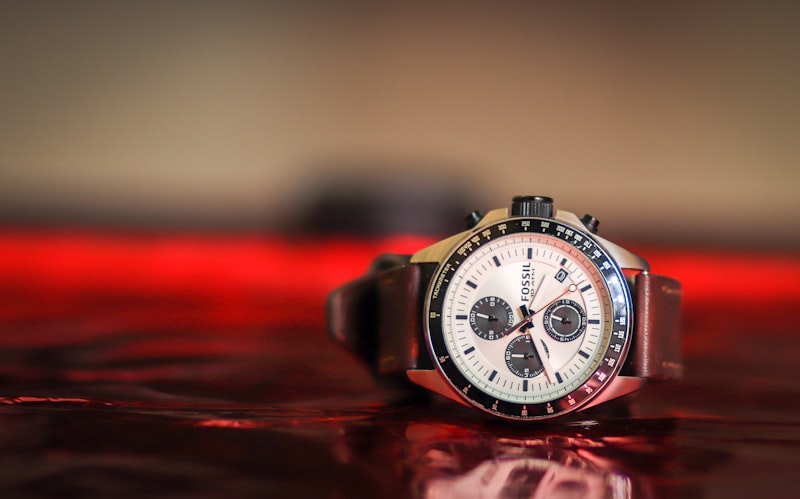
My first auction purchase went poorly. I bid emotionally, exceeded my predetermined limit, and won a watch that needed more work than the catalog suggested. The experience cost me money and, more importantly, taught me how not to approach auction buying.
The Preparation Phase
Serious auction buying starts weeks before the hammer falls. Request condition reports for anything you consider bidding on. Examine high-resolution images closely — dial condition, hand alignment, case sharpness. Compare estimates to recent results for similar pieces.
If possible, attend the preview. Handling watches reveals what photographs cannot: how light plays on dials, whether movements run smoothly, the general condition that determines wearability.
Setting Limits
Before bidding, establish your maximum price including buyers premium and any applicable taxes. Write this number down. Do not exceed it regardless of what happens in the room or online.
Auction fever is real. The competitive environment, the countdown, the incremental bidding — everything conspires to make you stretch just a bit further. Discipline protects you from winning battles that lose wars.
When to Walk Away
Many watches sell above reasonable value. Let them go. Another example will appear. The collector who must have this specific piece today pays premiums that patient buyers avoid.
I have lost auctions and felt relieved afterward. The watch I wanted went for double my limit — and six months later, a better example sold for less than I would have originally paid.
