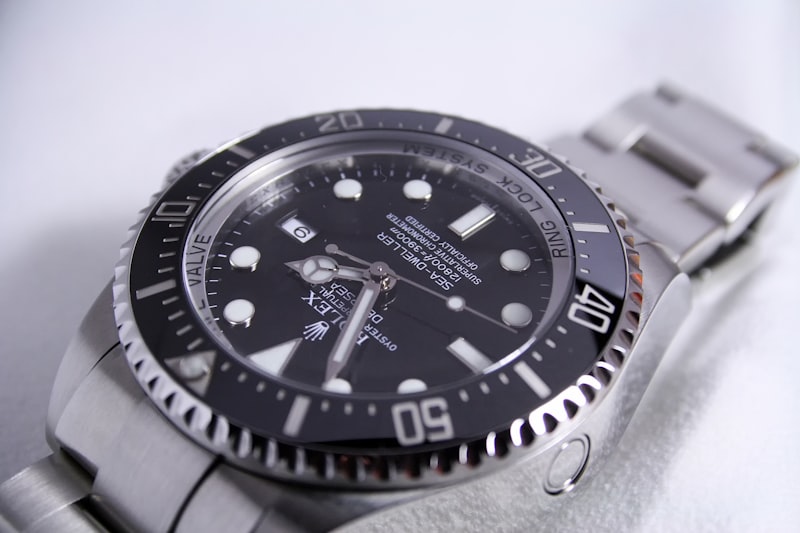
The watch community remains divided on patina. Some collectors send vintage pieces immediately for restoration — relumed hands, refinished dials, polished cases. Others refuse to touch anything, preferring watches that show every year of their age.
I fall firmly in the second camp. A watch that has lived tells stories. The faded gilt printing on a 1960s Seamaster suggests decades of wrist time. Tropical dials, where black has aged to chocolate or cognac, create colors impossible to replicate. Radium plots that have decayed to cream against aged lume on hands — these imperfections define character.
The Authenticity Question
Beyond aesthetics, patina signals authenticity. Counterfeiters struggle to replicate natural aging. A dial that matches its hands, case, and movement in apparent age builds confidence. Perfect components on a supposedly fifty-year-old watch raise questions.
This becomes crucial at higher price points. When a watch commands five figures, provenance and originality matter enormously. Collectors pay premiums for pieces that have survived intact — even if that survival shows on the dial.
The Line Between Patina and Damage
Not everything that ages a watch improves it. Moisture damage, corrosion, and severe fading cross from character into condition problems. Water spots that obscure dial text, rust on movement parts, cases with deep scratches from careless handling — these genuinely reduce both value and enjoyment.
I draw my line at functionality. A watch should run well and remain legible. Within those constraints, I prefer evidence of life over evidence of restoration.
